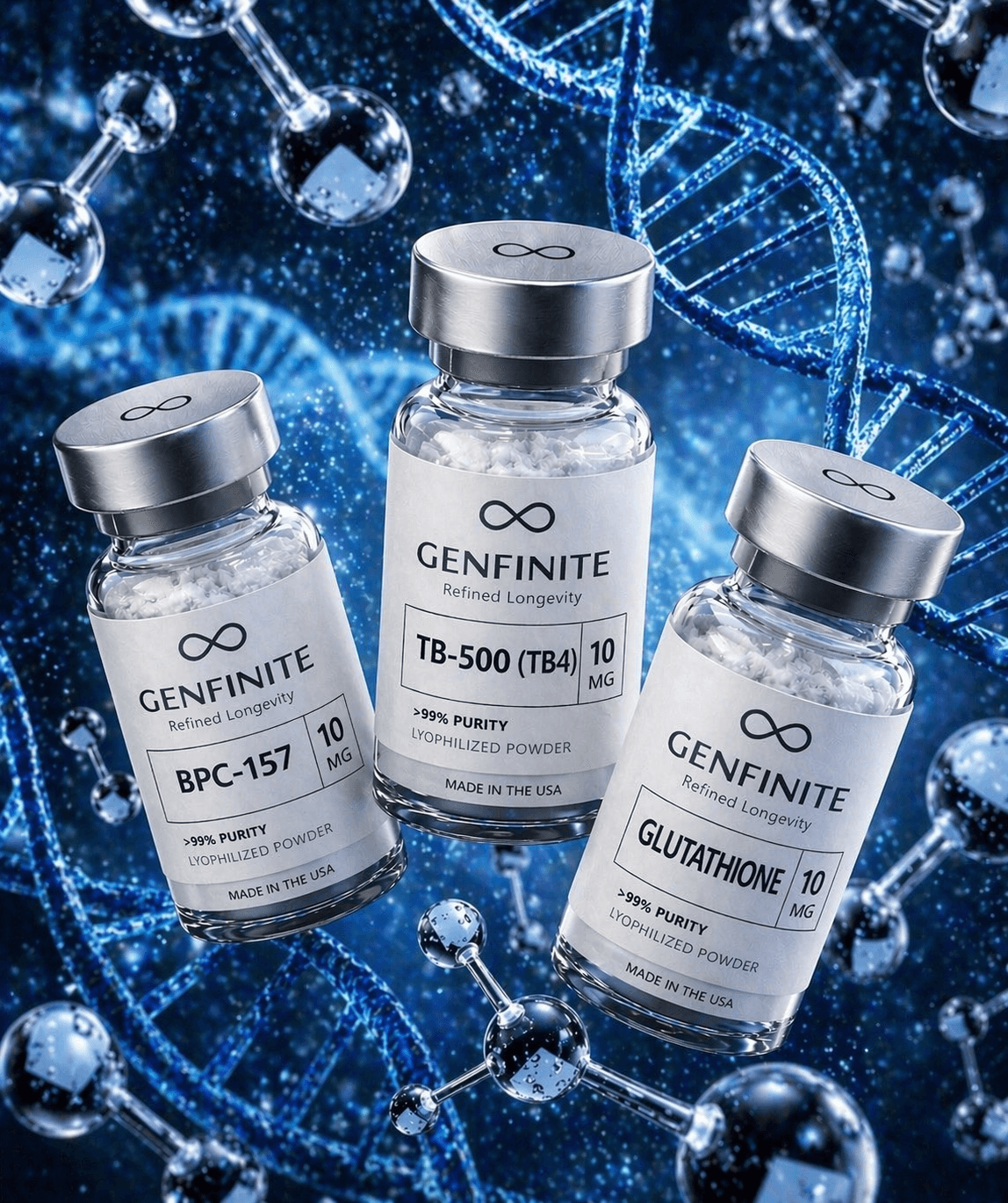
Research-Grade
Products
Every compound is produced to research-grade standards and accompanied by a Certificate of Analysis from an independent third-party laboratory.
For Research Use Only · Not for Human Consumption · Must Be 21+ to Purchase
Tissue Repair
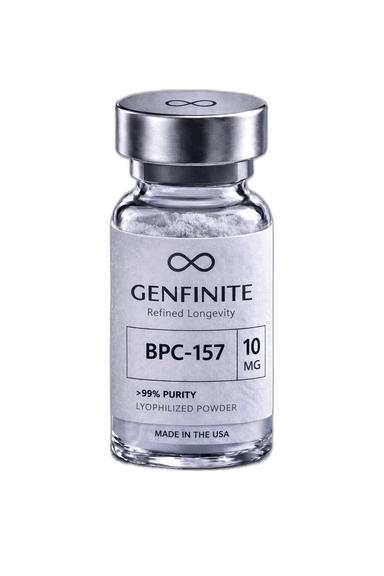
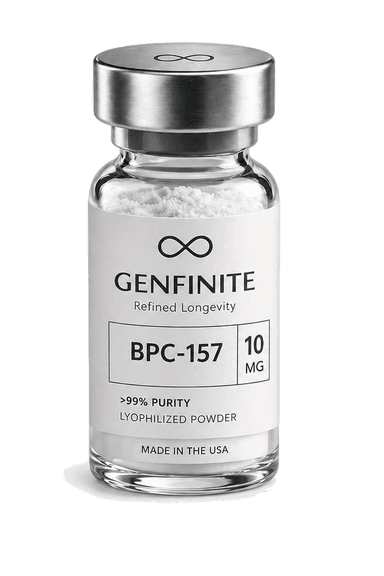
BPC-157
10 mg · 5 mL · Research Grade
Body Protective Compound
BPC-157 is a pentadecapeptide — a 15 amino acid sequence — derived from a protective protein found in human gastric juice. It is one of the most studied peptides in regenerative research, examined extensively for its role in tissue repair, gut health, and systemic healing responses. Its designation as a 'body protective compound' reflects the breadth of its studied biological activity.
Recovery
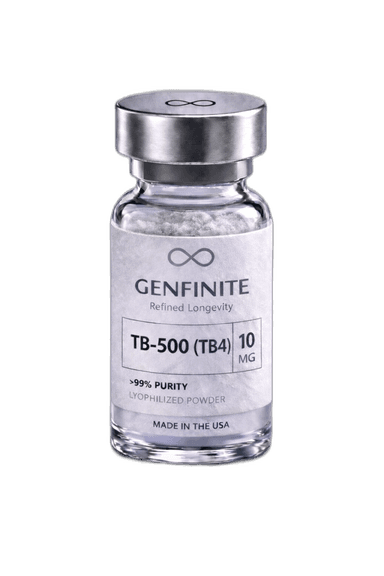
TB-500
10 mg · 5 mL · Research Grade
Thymosin Beta-4 Fragment
TB-500 is a synthetic peptide derived from a naturally occurring protein involved in cellular migration and tissue repair. Widely studied for its roles in wound healing, inflammation modulation, angiogenesis, and muscle and tendon recovery, its broad regenerative properties make it a key compound in research focused on injury repair, recovery optimization, and cellular regeneration.
Cognitive
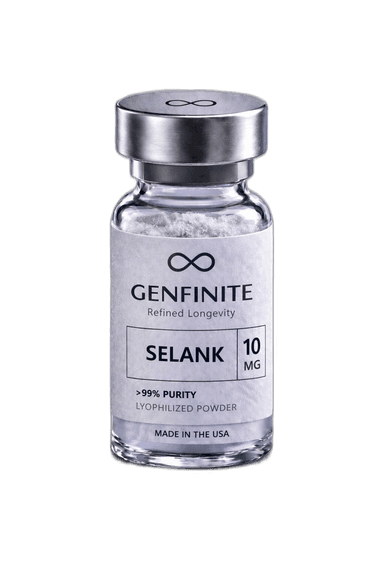
SELANK
10 mg · 3 mL · Research Grade
Anxiolytic Nootropic Peptide
Selank is a synthetic peptide derived from the tuftsin fragment, widely studied for its roles in anxiolytic effects, immune-system modulation, neurotransmitter regulation, and stress-response balance. Its diverse activity within both the central nervous system and immune pathways makes it a compound of significant interest in neurobiology and psychoneuroimmunology research.
Cognitive
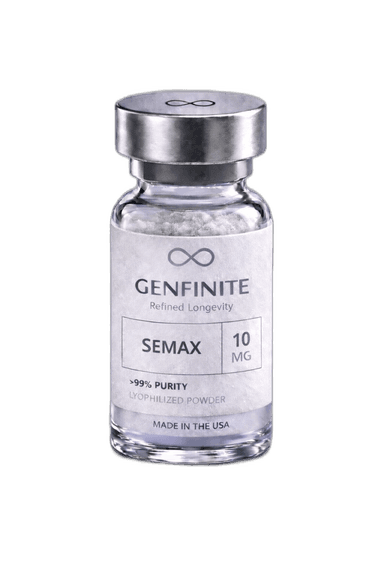
SEMAX
10 mg · 3 mL · Research Grade
Neuroprotective Cognitive Peptide
Semax is a synthetic peptide derived from the adrenocorticotropic hormone (ACTH₄₋₁₀) fragment, widely studied for its roles in cognitive support, neuroprotection, neurotransmitter regulation, and stress-response modulation. Its diverse effects within the central nervous system make it a key compound of interest in neurobiology and cognitive-performance research.
Regenerative
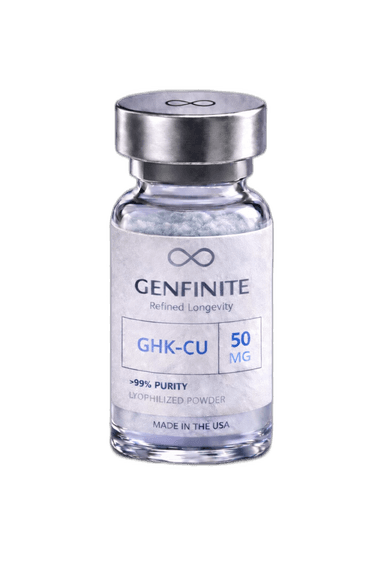
GHK-CU
50 mg · 5 mL · Research Grade
Copper-Binding Regenerative Peptide
GHK-Cu (glycyl-L-histidyl-L-lysine copper complex) is a naturally occurring copper-binding peptide widely studied for its roles in tissue regeneration, collagen synthesis, wound healing, anti-inflammatory activity, and skin remodeling. Its broad biological activity in extracellular matrix support and cellular repair makes it a compound of significant interest in regenerative medicine and dermatological research.
Cellular Health
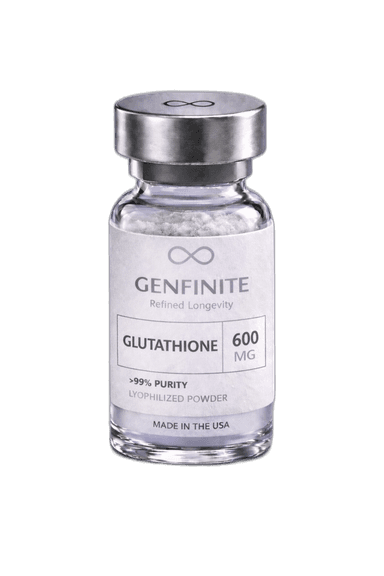
GLUTATHIONE
1500 mg · 5 mL · Research Grade
The Master Antioxidant
Glutathione is a naturally occurring tripeptide composed of glutamine, cysteine, and glycine — and one of the body's most critical antioxidants. Widely studied for its roles in oxidative-stress reduction, detoxification, immune-system support, and skin health, its versatile biological functions make it a foundational compound in redox biology and cellular-protection research.
Tissue Repair
BPC-157
15 mg · 5 mL · Research Grade
Body Protective Compound — High Concentration
BPC-157 is a pentadecapeptide — a 15 amino acid sequence — derived from a protective protein found in human gastric juice. This 15mg vial offers a higher-concentration option of one of the most studied peptides in regenerative research, examined extensively for its role in tissue repair, gut health, and systemic healing responses. Its designation as a 'body protective compound' reflects the breadth of its studied biological activity.
Growth Hormone Axis
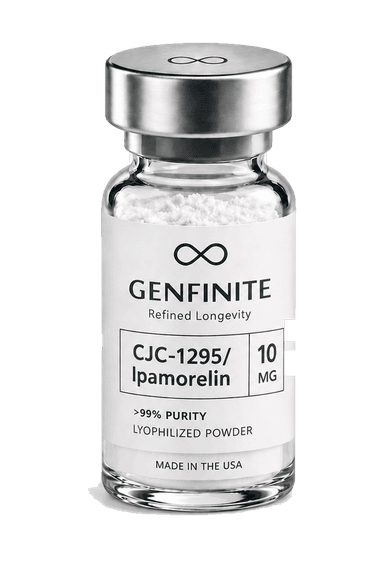
CJC-1295 / IPAMORELIN
10 mg + 10 mg · 3 mL · Research Grade
GHRH / GHRP Synergy Blend
CJC-1295 without DAC (also known as Modified GRF 1-29) is a growth-hormone-releasing hormone (GHRH) analog studied for its ability to stimulate pulsatile GH release from the pituitary. Ipamorelin is a selective growth hormone secretagogue that acts on the ghrelin receptor and is studied for a comparatively 'clean' hormonal profile, with minimal reported impact on cortisol, prolactin, or aldosterone relative to older GHRPs. The two are frequently studied together because they act on distinct but complementary GH-release pathways — the GHRH receptor and the ghrelin/GHS receptor — producing an additive pulsatile GH-release profile in preclinical models.
Pigmentation
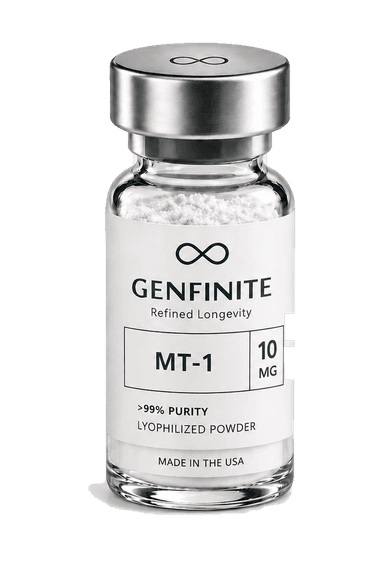
MT-1
10 mg · 3 mL · Research Grade
Melanotan I — Alpha-MSH Analog
Melanotan I (MT-1), also referred to by its generic name afamelanotide, is a synthetic linear analog of alpha-melanocyte-stimulating hormone. It is studied extensively for its role in melanogenesis — the pathway responsible for melanin production in skin — and for its selective activity at a single melanocortin receptor subtype, which distinguishes it from broader-acting melanocortin agonists.
Pigmentation
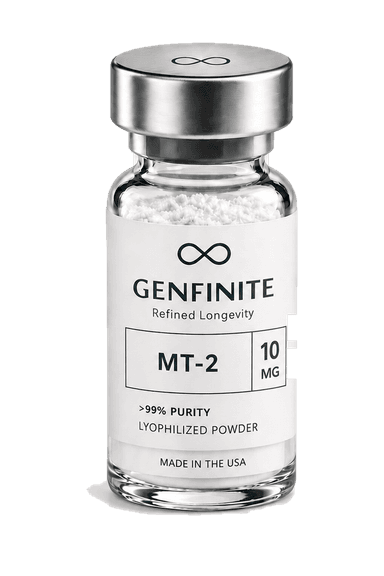
MT-2
10 mg · 3 mL · Research Grade
Melanotan II — Cyclic Alpha-MSH Analog
Melanotan II (MT-2) is a cyclic synthetic analog of alpha-melanocyte-stimulating hormone. Unlike the linear, MC1R-selective MT-1, MT-2's cyclic structure gives it broader, nonselective activity across multiple melanocortin receptor subtypes, making it a research reference compound for both pigmentation pathways and central melanocortin signaling.
Growth Hormone Axis
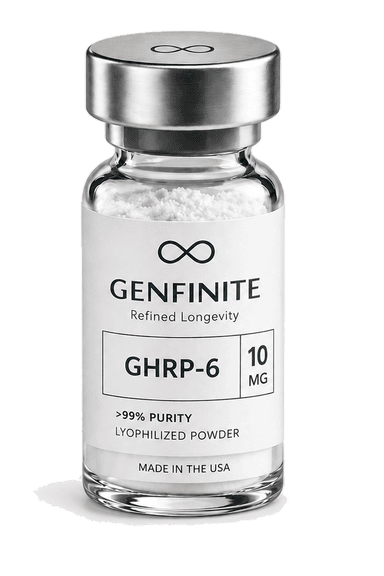
GHRP-6
10 mg · 5 mL · Research Grade
Growth Hormone Releasing Hexapeptide
GHRP-6 is one of the original synthetic growth hormone-releasing peptides, developed decades before newer-generation secretagogues like Ipamorelin. It is studied both for its ability to stimulate pulsatile GH release via the ghrelin receptor and for a distinct secondary property among GHRPs — pronounced orexigenic (appetite-stimulating) activity.
Metabolic
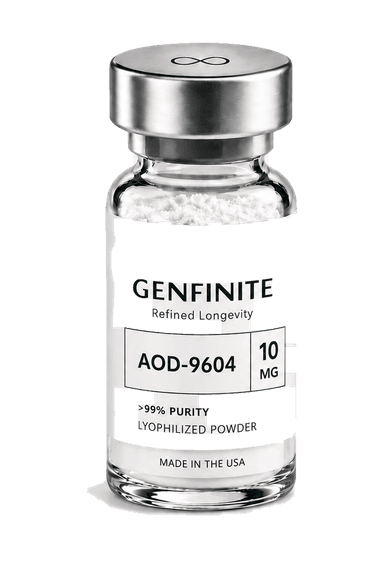
AOD-9604
10 mg · 3 mL · Research Grade
hGH Fragment 176–191
AOD-9604 is a modified fragment of the human growth hormone molecule corresponding to amino acids 176–191 — the region of hGH responsible for its fat-metabolizing (lipolytic) activity, isolated from the region responsible for hGH's growth-promoting effects. It has been studied specifically for effects on lipolysis and fat metabolism, including in published research into obesity and osteoarthritis-related cartilage regeneration.
Growth Hormone Axis
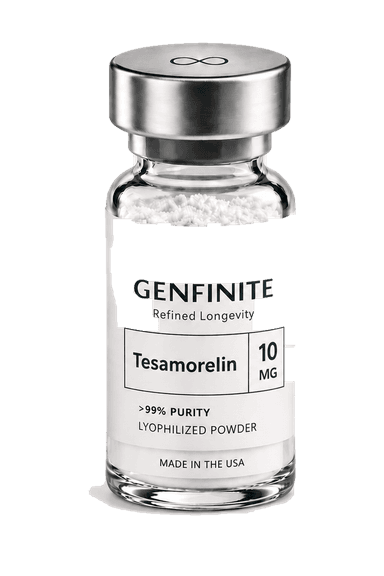
TESAMORELIN
10 mg · 3 mL · Research Grade
GHRH Analog — GRF(1-44)
Tesamorelin is a synthetic analog of human growth-hormone-releasing hormone (GHRH), built on the GRF(1-44) backbone with an added trans-3-hexenoic acid group at the N-terminus for enhanced stability against enzymatic degradation. It is one of the most extensively studied GHRH analogs, examined for its ability to restore pulsatile growth hormone secretion and its downstream effects on visceral fat and IGF-1 levels.
Metabolic
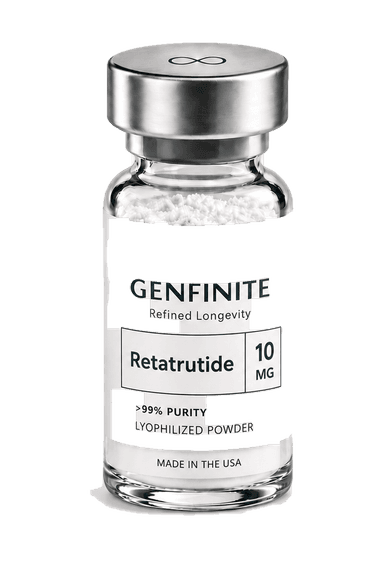
RETATRUTIDE
10 mg · 3 mL · Research Grade
Triple GIP / GLP-1 / Glucagon Receptor Agonist
Retatrutide is a novel unimolecular peptide engineered to activate three distinct metabolic receptors — GIP, GLP-1, and glucagon — in a single molecule. Built on a modified peptide backbone with a fatty-acid moiety for extended half-life, it is studied as a next-generation multi-agonist for metabolic and body-composition research, building on the single- and dual-agonist incretin research that preceded it.
Metabolic
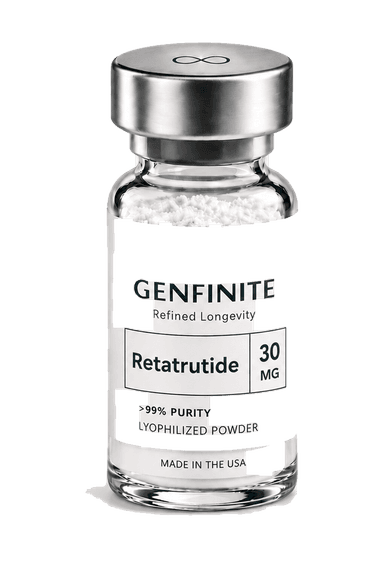
RETATRUTIDE
30 mg · 3 mL · Research Grade
Triple GIP / GLP-1 / Glucagon Receptor Agonist — High Concentration
Retatrutide is a novel unimolecular peptide engineered to activate three distinct metabolic receptors — GIP, GLP-1, and glucagon — in a single molecule. This 30mg vial offers a higher-concentration option built on the same modified peptide backbone with a fatty-acid moiety for extended half-life, studied as a next-generation multi-agonist for metabolic and body-composition research.
Cellular Health
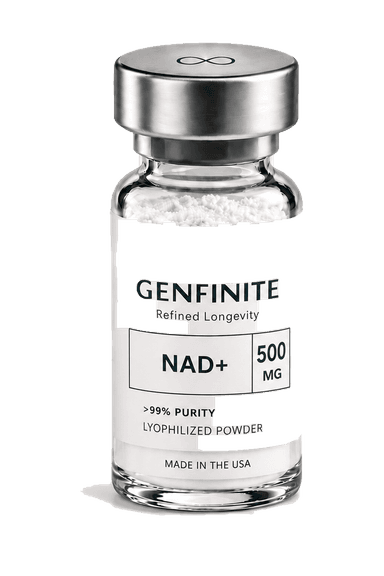
NAD+
500 mg · 5 mL · Research Grade
Nicotinamide Adenine Dinucleotide
NAD+ (nicotinamide adenine dinucleotide) is a coenzyme found in every living cell, central to cellular energy metabolism, mitochondrial function, and DNA repair signaling. Levels of NAD+ are known to decline with age, making it a heavily studied compound in cellular-aging and metabolic research.
Reconstitution
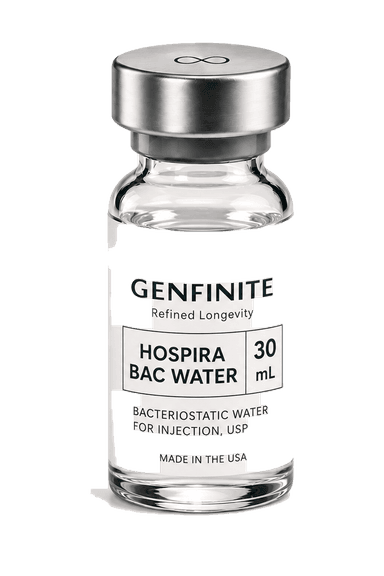
BACTERIOSTATIC WATER
0.9% Benzyl Alcohol · 30 mL · Research Grade
Sterile Diluent for Reconstitution
Bacteriostatic Water for Injection is sterile water containing 0.9% benzyl alcohol as a bacteriostatic preservative, used exclusively as a diluent for reconstituting lyophilized peptide compounds. The added benzyl alcohol inhibits bacterial growth across multiple withdrawals from the same vial, distinguishing it from single-use sterile water.
Quality Assurance
Every Batch. Verified.
COAs, sterility testing, endotoxin testing, and heavy metal testing are available upon request for every product and batch.
HPLC Tested
High-performance liquid chromatography on every run
Mass Spec
Molecular identity confirmed via mass spectrometry
Sterility
Testing available upon request for every SKU
Endotoxin
Testing available upon request for every SKU
Heavy Metal
Testing available upon request for every SKU
COA On Request
Third-party lab certificate available for every SKU